
Optimal Seasons for Landscaping Projects
Landscaping projects are most effective when scheduled during optimal seasons that support plant growth and allow for proper installation. Timing can influence the longevity and appearance of landscaping features, ensuring they develop fully and remain healthy.
Spring is ideal for planting new greenery as soil warms and temperatures rise, promoting healthy root development.
Summer allows for ongoing maintenance and establishment, especially in warmer climates, but requires attention to watering and heat tolerance.
Fall provides cooler temperatures and increased moisture, making it suitable for planting and completing landscape installations before winter.
Winter is generally less favorable for planting but can be suitable for certain hardscaping projects and planning for spring.
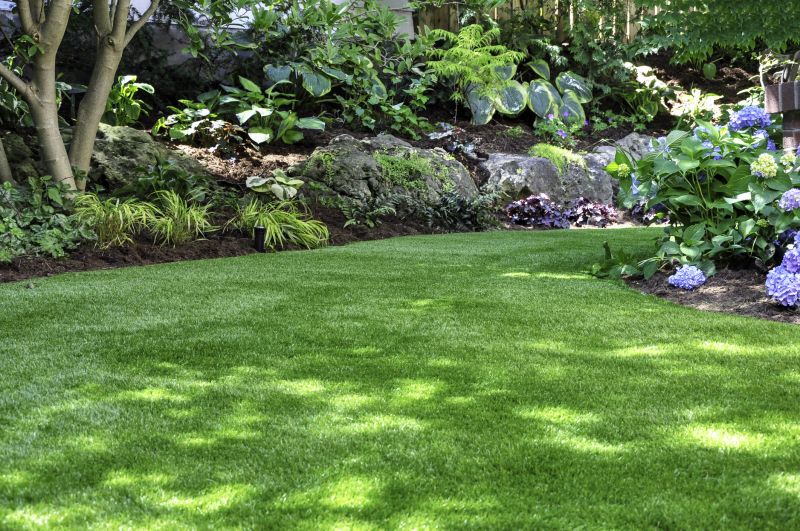
A lush garden with fresh planting during spring season.
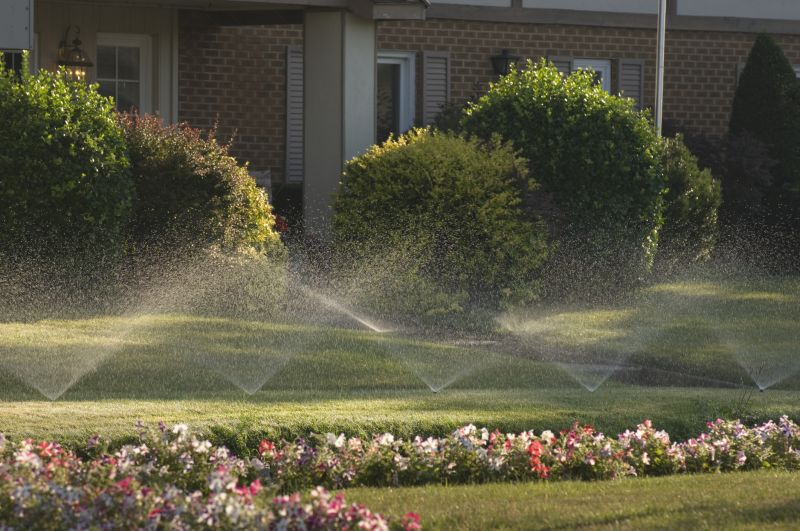
Irrigation and care for summer landscapes.
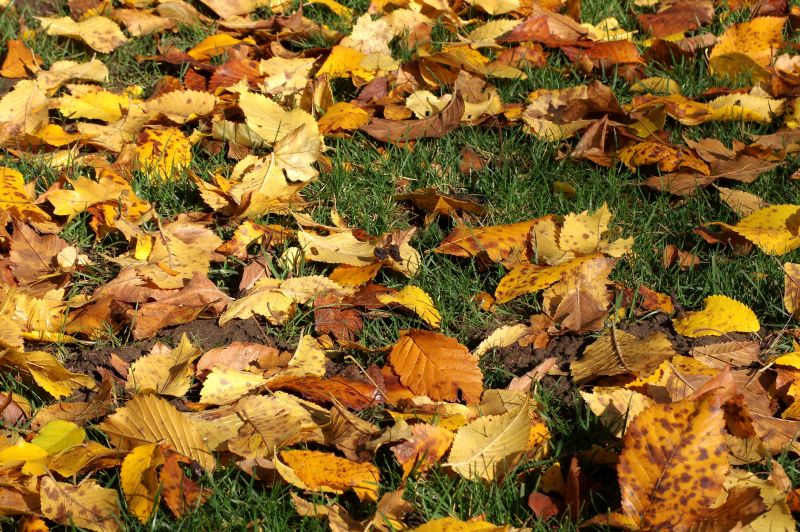
Fall planting with colorful foliage.
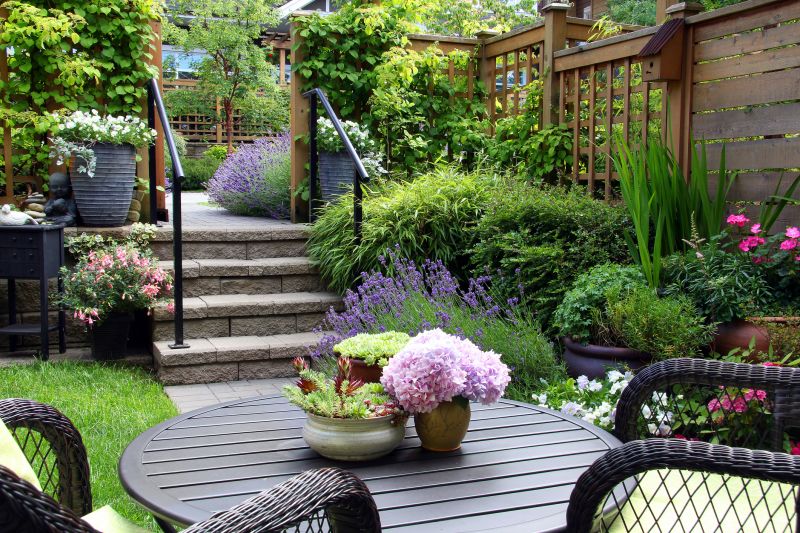
Ways to make Landscapings work in tight or awkward layouts.
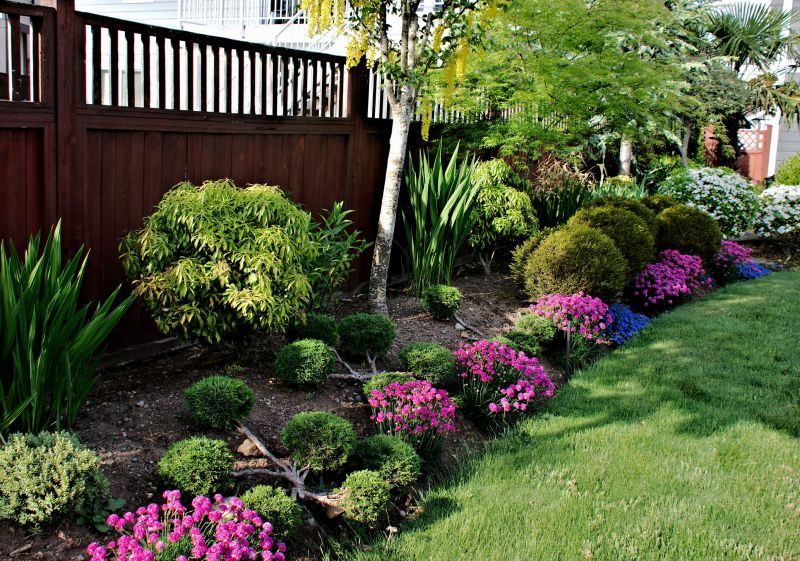
Popular materials for Landscapings and why they hold up over time.
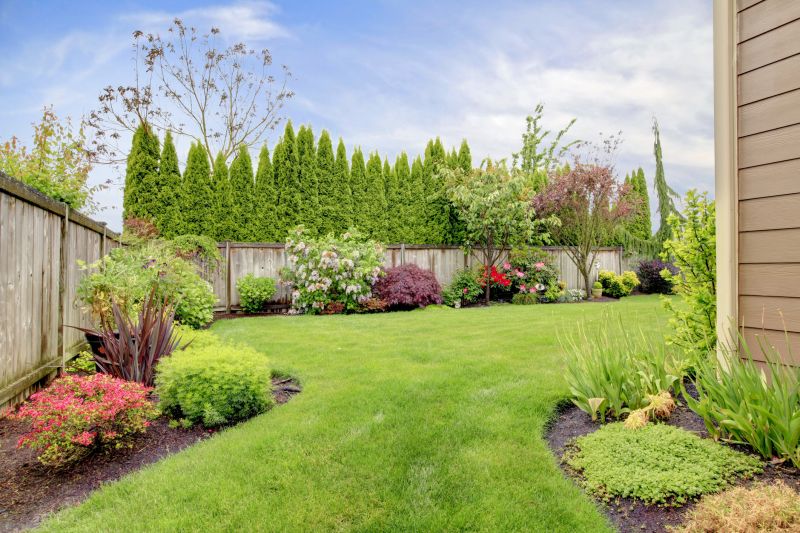
Simple add-ons that improve Landscapings without blowing the budget.
Landscaping involves shaping outdoor spaces through planting, hardscaping, and design elements to enhance aesthetic appeal and functionality. Proper timing ensures plants establish well, reducing maintenance and increasing longevity. According to industry statistics, landscape installations performed during optimal seasons have a 20% higher success rate in plant survival and growth.
| Season | Suitable Activities |
|---|---|
| Spring | Planting new greenery, soil preparation |
| Summer | Maintenance, watering, ongoing planting |
| Fall | Planting, landscape completion |
| Winter | Planning, hardscaping, design work |
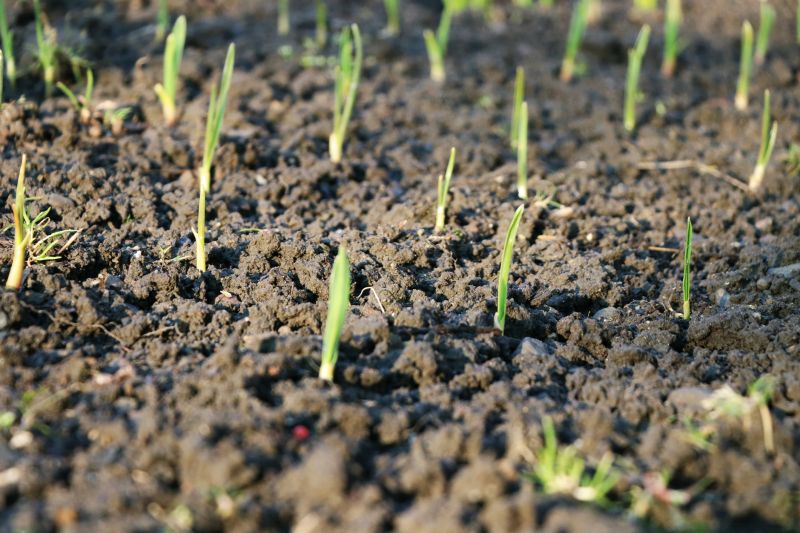
Freshly planted landscape in spring.
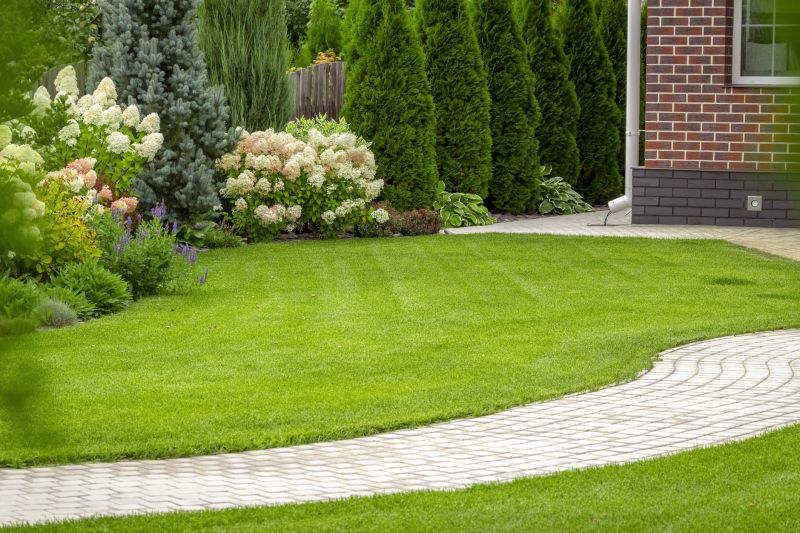
Full-grown summer garden.
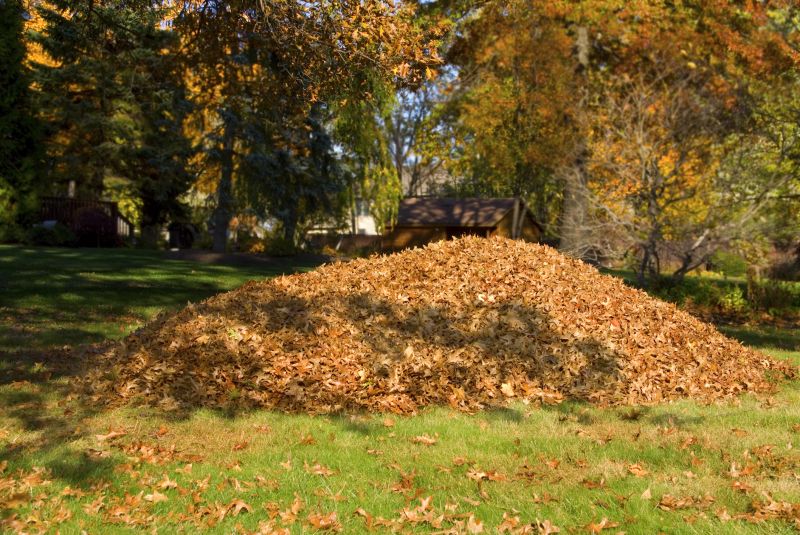
Colorful fall landscape.
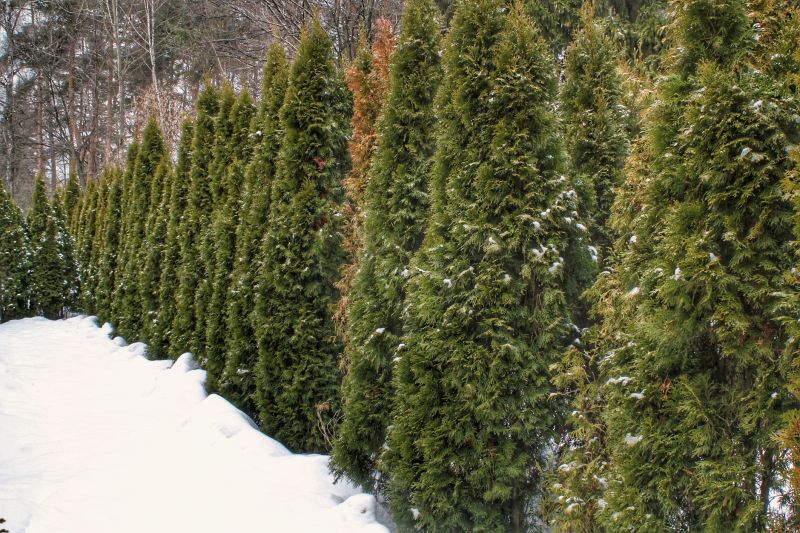
Hardscape features in winter.
Interested in scheduling landscaping projects? Fill out the contact form to get started.